
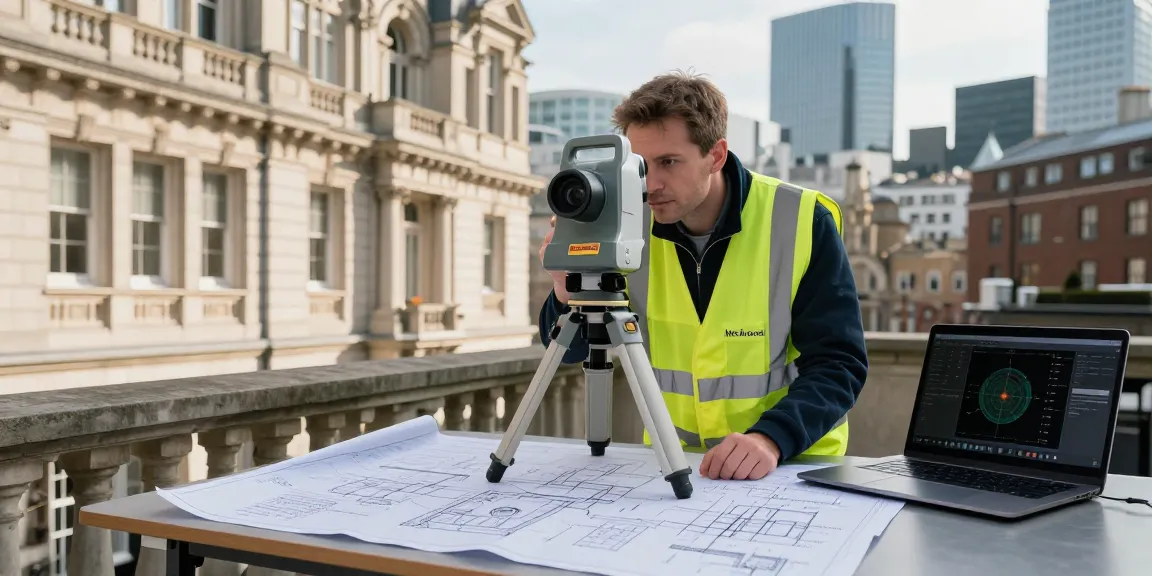
Understanding Measured Building Surveys: The Basics
Measured building surveys are crucial in understanding the specifics of a building’s dimensions and layout. These surveys involve accurately documenting the physical features of a structure, including floor plans, elevations, and sections, which are essential for architects, engineers, and construction professionals. In the competitive landscape of property development, having precise data is key to ensuring that projects are designed and executed efficiently. For those exploring options in this vital area, Measured Building Surveys Berkshire provides comprehensive insights that can help streamline your project.
What Are Measured Building Surveys?
Measured building surveys involve detailed documentation of a building’s physical characteristics. This process is vital for various stakeholders in the construction industry, including architects, engineers, and contractors. Surveys typically include the collection of data regarding dimensions, materials, and structural elements. The results can be presented in various formats, including 2D drawings, 3D models, and even digital representations, enabling clients to visualise the space effectively.
Key Objectives of Measured Building Surveys
The primary objectives of a measured building survey include:
- Providing accurate measurements of floor areas and boundaries.
- Documenting building conditions and any alterations made during its lifecycle.
- Assisting in the compliance with local building regulations and planning permissions.
- Support for renovation, restoration, or new build projects.
Industry Standards and Compliance
Measured building surveys must adhere to various industry standards to ensure accuracy and consistency. Standards such as RICS (Royal Institution of Chartered Surveyors) guidelines provide frameworks for surveyors to follow, ensuring that the data gathered meets the client’s and regulatory authorities’ expectations. Compliance with these standards not only enhances the credibility of the survey results but also aligns with best practices in the industry.
The Importance of Accuracy in Measured Building Surveys
Accuracy is paramount in measured building surveys. Inaccurate data can lead to costly mistakes in construction or renovation projects, impacting timelines and budgets significantly. Without precise measurements, architects may design spaces that do not fit the intended layout, leading to additional expenses and potential safety issues.
Common Challenges in Building Measurement
Surveyors often face several challenges when conducting measured building surveys, including:
- Complex building layouts that require detailed navigation.
- Varying building materials which can affect measurement accuracy.
- Environmental factors that may obstruct access to certain areas.
Techniques for Ensuring Precision
To combat these challenges, modern surveying employs several techniques and technologies:
- Laser Scanning: Utilising high-precision laser scanners can capture millions of data points in a matter of minutes, providing a detailed representation of the building.
- Total Stations: These instruments combine electronic theodolites and distance measuring capabilities to ensure high accuracy in measurements.
- Drones: In inaccessible areas, drones equipped with cameras and measurement tools can perform aerial surveys, allowing for comprehensive data collection without physical obstruction.
Real-World Examples of Successful Surveys
One prominent example involves a historic building in London, where a measured building survey was conducted prior to renovation. The data collected through laser scanning highlighted structural weaknesses that were previously unknown, ultimately saving the developers significant costs in structural reinforcements. This case underscores the critical role of accurate surveys in the planning process.
Technological Advancements in Surveying
As we move towards 2026, technological advancements continue to revolutionise the surveying industry. These innovations enhance accuracy, efficiency, and reliability, fundamentally transforming how measured building surveys are conducted.
Latest Tools and Equipment Used
Surveying technology is advancing rapidly. The latest tools include:
- 3D Laser Scanners: Capable of generating highly detailed three-dimensional models of a building, these devices help surveyors capture complex geometries and features efficiently.
- Ground Penetrating Radar (GPR): Essential for detecting underground utilities and structures, GPR surveys help in planning safe excavation practices.
- Building Information Modelling (BIM): Integrating surveying data into BIM allows for real-time collaboration and better decision-making during the design and construction phases.
Benefits of 3D Laser Scanning
3D laser scanning provides numerous benefits, including:
- Rapid data collection over large areas.
- High accuracy with minimal human error.
- Creation of detailed as-built models for future reference.
Future Trends in Surveying Technology for 2026
Looking ahead, several trends are emerging in the surveying industry, including:
- Increased use of artificial intelligence (AI) for data analysis, enhancing predictive modelling and project management.
- Integration of augmented reality (AR) in the surveying process to visualise data overlays in real-time.
- Improvements in mobile surveying technology, making data collection more accessible and efficient.
Best Practices for Measured Building Surveys
To ensure the success of a measured building survey, adhering to best practices is essential. Following a systematic approach can help surveyors deliver accurate and reliable results.
Preparing for a Measured Survey
Preparation is crucial for an efficient measured survey. This includes:
- Conducting a site visit to understand the layout and access issues.
- Gathering existing records and drawings of the building to inform the survey process.
- Setting clear objectives and deliverables with the client to align expectations.
Conducting the Survey: Step-by-Step Process
The survey process can be broken down into several key steps:
- Initial Site Assessment: Evaluate the site conditions and identify potential challenges.
- Data Collection: Use chosen surveying tools to gather data accurately.
- Data Processing: Analyse and process the collected data to create the final deliverables.
Post-Survey Processes and Deliverables
After the survey, the results should be compiled into comprehensive deliverables, typically involving:
- Production of detailed drawings.
- Providing a summary report of the findings.
- Delivering electronic files compatible with common design software.
The Role of Measured Building Surveys in Property Development
Measured building surveys play an integral role in the property development process, providing the foundational data necessary for successful projects. They inform design choices and help mitigate risks associated with planning and construction.
Integrating Surveys into Design and Planning Stages
Incorporating survey data into the early design and planning stages can significantly enhance project outcomes. By understanding the physical realities of a site through accurate measurements, architects and developers can create designs that fit within the available space while adhering to regulations.
Case Studies: Impact on Successful Developments
In an illustrative case in Berkshire, a detailed measured building survey revealed previously undocumented structural issues in an older building slated for conversion into luxury flats. By identifying these problems early, the developers could address them in their project plan, preventing costly overruns and delays later on.
Future Directions for Surveying in Construction
As the construction industry evolves, so too will the role of measured building surveys. More projects will rely on data-driven decision-making, and the integration of advanced technologies will further streamline processes. Anticipating these changes will allow surveyors and developers to remain at the forefront of the industry.
What is a measured building survey?
A measured building survey is a detailed assessment of a building’s dimensions and layout, providing crucial data for a variety of construction and renovation projects.
How long does a measured building survey take?
The duration of a measured building survey can vary significantly based on the complexity and size of the building, ranging from a few hours for simple structures to several days for more complex buildings.
Why are measured building surveys important for developers?
For developers, measured building surveys are essential for ensuring compliance with building regulations and for making informed design decisions based on accurate data.
How do I choose the right surveying company?
When selecting a surveying company, consider factors such as their experience, credentials, technology used, and client testimonials to ensure that they can meet your specific project needs.
What technologies are used in modern surveying?
Modern surveying employs various technologies, including 3D laser scanning, drones, and Building Information Modelling (BIM), to enhance accuracy and efficiency in data collection and analysis.