
Understanding the Importance of Drainage Surveys in Surrey
In the densely populated regions of Surrey and London, maintaining an effective drainage system is crucial to prevent flooding, structural damage, and costly repairs. A well-executed drainage survey plays a pivotal role in safeguarding properties from potential drainage issues. Through advanced technology such as CCTV, property owners and developers can gain invaluable insights into the condition of their drainage systems. When exploring options, Drainage Survey Surrey provides comprehensive insights into effective drainage management.
What is a Drainage Survey?
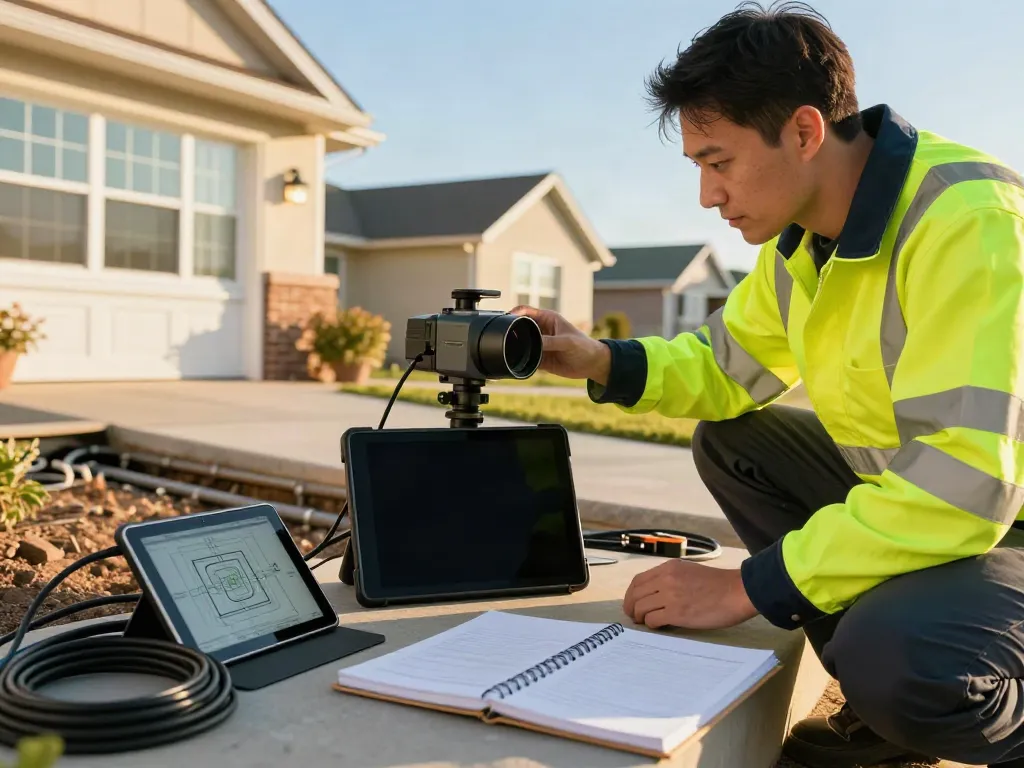
A drainage survey is a systematic inspection of a property's drainage system, carried out using sophisticated CCTV technology. This non-invasive method enables surveyors to identify blockages, cracks, and other structural issues within the drainage pipes. Typically, the survey involves inserting a camera into the pipes, capturing high-resolution footage that allows experts to assess the overall condition of the drainage network. This inspection provides crucial data for both residential and commercial properties, ensuring that any potential issues are addressed before they escalate.
Benefits of Conducting Regular Surveys
Regular drainage surveys are essential for maintaining the integrity of drainage systems, particularly in urban areas where pipe infrastructure can be aged or compromised. Key benefits include:
- Proactive Maintenance: Regular inspections help identify issues early on, allowing for timely repairs and reducing long-term maintenance costs.
- Enhanced Property Value: A well-maintained drainage system can significantly increase the property value, especially for prospective buyers wary of hidden drainage problems.
- Compliance with Regulations: For developers, ensuring that drainage systems meet local regulations is crucial. Regular surveys help maintain compliance and avoid penalties.
How Drainage Surveys Prevent Major Issues
Conducting drainage surveys can prevent severe consequences such as flooding, water damage, and contamination of the local environment. By identifying problems such as blockages or damaged pipes before they escalate, property owners can avoid the hassle and expense of emergency repairs. Furthermore, surveillance can help detect illegal connections to drainage systems, which could lead to significant environmental hazards and regulatory fines.
Key Technologies Used in Modern Drainage Surveys
CCTV Technology and Its Advancements
CCTV technology has revolutionized the way drainage surveys are conducted. The latest cameras are equipped with high-definition imaging capabilities and advanced sensing technology, allowing for a thorough examination of underground pipes. These advancements enable surveyors to identify issues more accurately and efficiently, reducing the need for extensive excavation.
Software Solutions for Reporting and Analysis
Post-survey analysis is crucial in interpreting the data collected during inspections. Sophisticated software solutions such as WinCan are widely used to process and generate reports from CCTV footage. These reports provide detailed insights, including the condition of pipes, locations of defects, and recommendations for repairs. Such detailed documentation is vital for both property owners and contractors to make informed decisions.
The Role of GPS Mapping in Drainage Surveys
In addition to visual inspections, GPS technology plays a significant role in modern drainage surveys. Mapping the drainage system using GPS coordinates allows for accurate representation of the network's layout. This information is essential for developers during construction projects, ensuring they avoid damaging existing systems and comply with planning requirements.
The Process of Conducting a Drainage Survey
Initial Assessment and Planning
The first step in any drainage survey involves assessing the site and planning the inspection. This includes reviewing existing plans and drainage records to understand the potential challenges. Surveyors will determine the best approach to execute the survey efficiently, considering factors such as accessibility and the history of the drainage system.
Execution of the Survey
Once planning is complete, the survey is executed by positioning the CCTV camera within the drainage pipes. As the camera traverses the network, real-time footage is recorded, allowing surveyors to identify problems as they arise. This step is critical for capturing accurate data regarding the condition of the system.
Post-Survey Reporting and Recommendations
The final phase involves compiling the information gathered during the survey into a comprehensive report. This report typically includes footage analysis, detailed descriptions of any identified issues, and recommendations for necessary maintenance or repairs. It serves as a valuable resource for property owners and can guide decisions regarding future improvements to the drainage system.
Common Challenges Encountered During Drainage Surveys
Obstructions in Pipes
During the survey process, surveyors may encounter various obstructions within the drainage pipes, such as tree roots, debris, or collapsed sections. These challenges can complicate the survey and may require additional equipment or methods to address effectively.
Dealing with Old Infrastructure
Many properties, especially in urban areas, have aging drainage systems that can pose unique challenges for surveyors. Old infrastructure may not conform to current standards or may contain materials now deemed outdated. Addressing these issues requires skilled professionals who can navigate the complexities of older systems.
Time Management and Efficiency Issues
Conducting thorough drainage surveys can be time-consuming, particularly when unexpected challenges arise. Efficient time management is crucial to ensure that the survey is completed within the allocated timeframe while still providing comprehensive insights into the system's condition.
Future Trends in Drainage Surveying for 2026 and Beyond
Emerging Technologies in Drainage Surveying
The future of drainage surveying will likely see the integration of even more advanced technologies. Innovations in artificial intelligence and machine learning could enhance data analysis, allowing for predictive maintenance and identifying potential issues before they occur. Furthermore, the rise of autonomous drones for surveying may also revolutionize the industry, providing even greater efficiency in data collection.
Environmental Considerations in Drainage Surveys
As environmental concerns continue to evolve, drainage surveys will need to adapt accordingly. Future surveys will likely include assessments of environmental impact, such as the potential contamination of groundwater or impacts on local ecosystems. Implementing sustainable practices will become increasingly important for surveyors operating in sensitive areas.
Preparing for Regulatory Changes in the Industry
As regulations regarding environmental protection and infrastructure standards become more rigorous, drainage surveyors must prepare for compliance with these changes. Staying informed and ensuring that surveys meet the latest regulatory requirements will be essential for maintaining operational success.
How much should a drainage survey cost?
Costs for a drainage survey can vary widely based on factors such as location, size of the property, and complexity of the drainage system. On average, clients can expect to pay between £200 and £500 for comprehensive inspections. It is always advisable to get multiple quotes and understand the scope of services included in the price.
Is it worth getting a drain survey?
Absolutely. Investing in a drainage survey can save property owners significant costs in the long run by identifying potential problems early. Furthermore, it provides peace of mind and enhances the property's value by ensuring a functioning drainage system.
What happens during a drainage survey?
During a drainage survey, a specialist uses CCTV equipment to inspect the inside of drainage systems. The survey includes capturing footage of the pipes and analyzing them for issues such as blockages, cracks, and structural integrity. This diagnostic process provides insights for necessary repairs or maintenance actions.
How long does a drainage survey take?
The duration of a drainage survey can vary depending on the size and complexity of the system. Typically, a residential survey may take anywhere from 2 to 4 hours, while larger commercial surveys can take several days. Factors such as accessibility and the condition of the drainage system can also influence the timeline.
What are the benefits of having a CCTV drainage survey?
The benefits of a CCTV drainage survey include early detection of potential problems, reduced maintenance costs, and enhanced property value. By providing a clear picture of the drainage system’s condition, property owners can make informed decisions about repairs and improvements, ensuring the longevity of their infrastructure.